Featured
The Real Cost of Overlooking Financial Obligation: Exactly How Expert Therapy Providers Are Transforming Financial Recovery
Table of Contents
Financial anxiety has actually come to be a specifying quality of modern American life. With total charge card financial obligation surpassing $1.21 trillion and the average cardholder owing greater than $6,500, millions of individuals find themselves caught in cycles of minimum settlements and intensifying interest. When bank card interest rates hover around 23%, also modest equilibriums can swell into frustrating concerns within months.
For those sinking in the red, the concern isn't whether to look for help-- it's finding the appropriate sort of help that will not make matters worse.
The Growing Demand for Financial Obligation Mercy Solutions
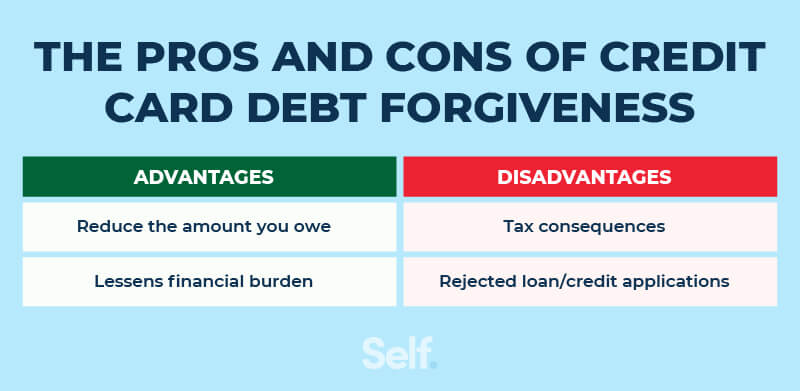
Financial obligation mercy has become one of the most looked financial topics on the internet, and completely factor. The principle of resolving financial debts for less than the sum total owed deals genuine intend to individuals who see no practical path to paying their balances completely.
The procedure normally works such as this: when bank card accounts go overdue for 120 days or even more, creditors frequently bill off the financial obligation. At this phase, they might approve decreased negotiations to recover at the very least a portion of what's owed. Successful arrangements can minimize balances by 30% to 50%, depending upon the creditor and your shown financial challenge.
Financial obligation mercy isn't cost-free money. Cleared up accounts appear on credit rating records as "" paid less than complete equilibrium,"" which affects your score. Furthermore, forgiven amounts exceeding $600 might be reported to the internal revenue service as taxed income. Understanding these compromises prior to pursuing settlement is important.
Insolvency Counseling: The Misunderstood Safeguard
Bankruptcy carries considerable stigma, yet it continues to be a legitimate lawful tool made to provide overloaded people an authentic new beginning. What several individuals do not become aware is that federal legislation requires 2 counseling sessions prior to and after filing-- and these sessions exist specifically to guarantee you're making a notified decision.
Pre-bankruptcy credit score counseling involves an extensive testimonial of your revenue, financial obligations, and costs. Licensed therapists existing options you could not have actually thought about, including debt management programs or challenge negotiations. This isn't regarding preventing personal bankruptcy; it's concerning confirming it's really your finest choice.

Post-bankruptcy debtor education and learning prepares you for economic success after discharge. You'll find out budgeting techniques, conserving strategies, and credit scores restoring comes close to created to avoid future monetary problems.
Organisations like APFSC deal both needed training courses, with fees around $19.99 per session unless you get challenge waivers. Their accredited therapists supply same-day certifications, and sessions usually run 60 to 90 mins. This availability matters when you're already stressed regarding funds.
Comparing Your Debt Alleviation Options
Recognizing the landscape of financial debt alleviation helps you make informed choices. Each strategy lugs unique advantages and downsides.
Financial Debt Monitoring Programs combine numerous unsafe financial obligations into single monthly settlements. Counselors bargain with creditors to possibly minimize rates of interest without needing brand-new lendings. The majority of customers total these programs within 3 to five years. The primary benefit is paying debts in complete while minimizing total rate of interest paid.
Financial debt Negotiation bargains minimized reward amounts, generally 30% to 50% less than owed. This technique requires stopping payments to lenders while gathering negotiation funds, which damages credit score ratings during the procedure. Outcomes differ based upon financial institution determination and your shown challenge.
Personal bankruptcy gives court security while eliminating or restructuring financial obligations. Phase 7 sells off particular possessions to discharge unprotected debts swiftly. Chapter 13 establishes three-to-five-year payment prepare for those with normal income. Bankruptcy continues to be on credit records for seven to 10 years however offers one of the most thorough new beginning.
Credit score Therapy provides education and advice without necessarily enlisting in formal programs. Certified counselors assess your full economic image and recommend ideal following actions, which may include any one of the above alternatives.
What Sets Nonprofit Counseling Apart
The difference in between not-for-profit and for-profit financial debt alleviation firms matters enormously. Not-for-profit firms like those certified by the National Foundation for Debt Therapy (NFCC) run under stringent honest standards and fee regulations. Their counselors undergo strenuous accreditation and should recertify every 2 years.
For-profit debt negotiation business, conversely, might charge costs ranging from 15% to 25% of signed up financial obligation equilibriums. Some employ hostile sales tactics and make impractical guarantees about results. The Customer Financial Defense Bureau has actually documented various grievances about predative methods in this field.
APFSC runs as a nonprofit counseling company, using cost-free financial debt administration assessments and managed charges for continuous solutions. Their HUD-approved housing therapists include worth for those encountering repossession together with general debt problems. Services are available in English, Spanish, and Portuguese, increasing accessibility to underserved communities.
Study supports the efficiency of nonprofit therapy. A study commissioned by the NFCC located that debt therapy clients minimized revolving debt by $3,600 more than comparison teams throughout the 18 months following their sessions. Almost 70% of individuals reported improved finance and greater monetary self-confidence.
Indication of Predatory Financial Obligation Alleviation Provider
Not all debt alleviation firms have your benefits at heart. Identifying red flags secures you from making a difficult circumstance worse.
Beware of business that assure certain results. No legit service can guarantee specific settlement portions or timeline warranties since outcomes depend upon individual creditors and scenarios.
Stay clear of any kind of firm demanding large ahead of time costs before giving solutions. Reputable not-for-profit therapy offers cost-free preliminary appointments, and for-profit settlement companies are legally prohibited from gathering fees up until they efficiently settle at least one debt.
Question any person encouraging you to stop communicating with financial institutions entirely without clarifying the repercussions. While tactical interaction pauses often sustain arrangements, complete evasion can lead to lawsuits, wage garnishment, and additional damages.
Reputable agencies discuss all alternatives truthfully, consisting of alternatives that may not entail their paid solutions. If a business presses just one solution no matter your circumstance, look for guidance in other places.
Taking the Initial Step Towards Healing
Financial recuperation starts with straightforward evaluation. Gather your most current declarations for all financial obligations, determine your overall obligations, and evaluate your practical monthly repayment capacity. This information creates the foundation for any effective therapy session.
Take into consideration organizing free appointments with numerous not-for-profit companies prior to dedicating to any type of program. Compare their recommendations, cost structures, and interaction designs. The best therapy relationship should really feel encouraging rather than pushing.
Organisations like APFSC use on-line conversation, phone assessments, and comprehensive consumption processes made to understand your distinct circumstance before advising solutions. Their financial debt management calculator helps you visualise prospective timelines and savings before enrolling.
The Path Onward
Frustrating debt doesn't define your future-- yet ignoring it will. Whether financial debt mercy, personal bankruptcy therapy, or structured financial debt management makes good sense for your scenario depends upon variables distinct to your scenarios.
Expert guidance from accredited not-for-profit counselors illuminates choices you could never ever find independently. These services exist especially to help individuals like you navigate intricate financial obstacles without predative fees or unrealistic promises.
The typical American dealing with debt waits far as well long prior to seeking aid, enabling interest to compound and options to slim. Monthly of hold-up costs money and extends your recuperation timeline.
How Housing Counselors Work with Legal Aid When You’re at Risk of EvictionYour first discussion with a certified therapist prices absolutely nothing however can transform everything. Financial flexibility isn't scheduled for the lucky-- it's available to anyone ready to take that initial action toward understanding their alternatives and dedicating to a reasonable plan.

Table of Contents
Latest Posts
"Debt Forgiveness Destroys Your Future" Corrected Can Be Fun For Everyone

The Greatest Guide To Regulatory Factors in Bankruptcy Proceedings

The smart Trick of Questions to Ask a Debt Relief Organization That Nobody is Talking About
More
Latest Posts
"Debt Forgiveness Destroys Your Future" Corrected Can Be Fun For Everyone
The Greatest Guide To Regulatory Factors in Bankruptcy Proceedings
The smart Trick of Questions to Ask a Debt Relief Organization That Nobody is Talking About